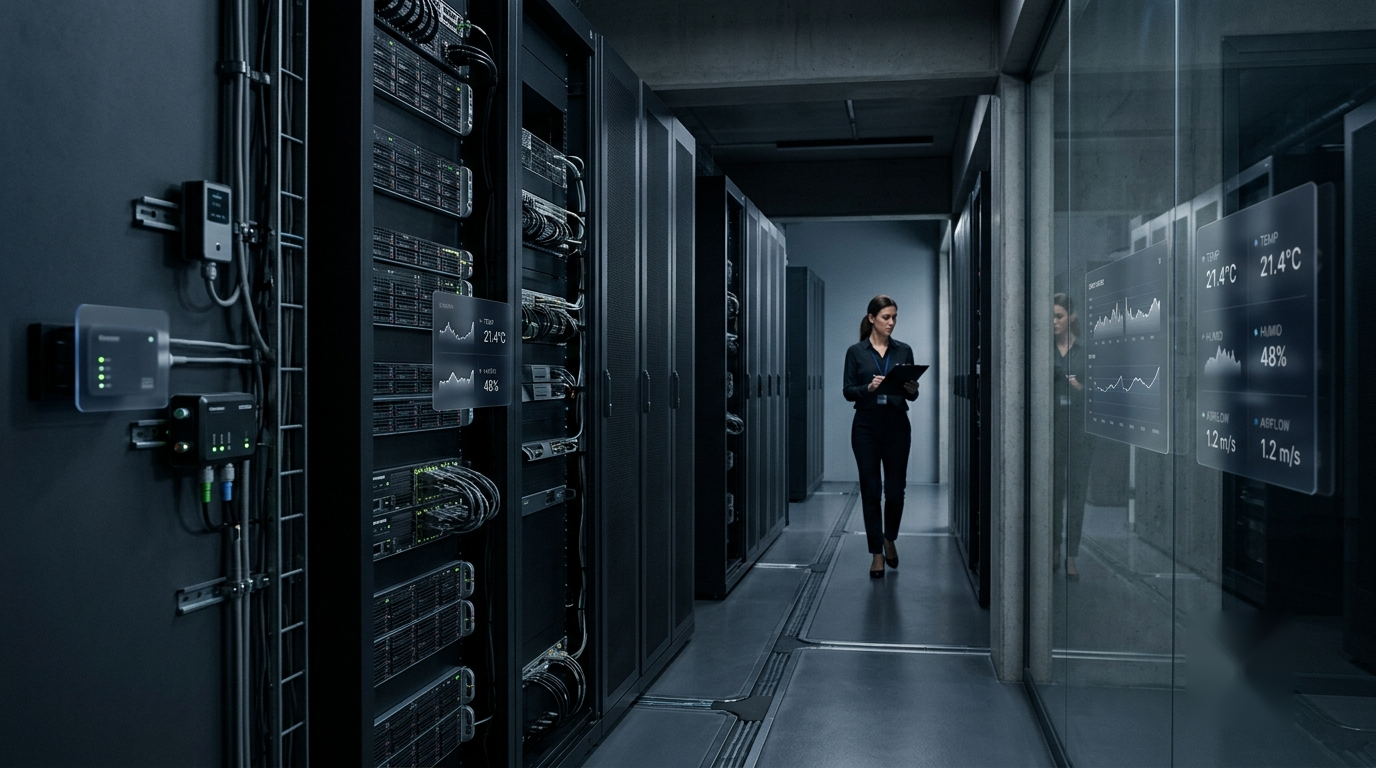
Environmental conditions influence operations more than many organizations realize.
Small changes in temperature, humidity, air quality, or surrounding infrastructure conditions can gradually affect performance, increase maintenance requirements, and introduce avoidable operational risk. In many environments, these issues are difficult to detect until they become costly.
Environmental monitoring helps solve this problem. By collecting and analyzing environmental data continuously, organizations gain visibility into conditions that influence equipment performance, operational continuity, and decision-making. Rather than relying on periodic inspections or delayed reporting, monitoring creates a more proactive operating model.
Today, environmental monitoring is increasingly becoming part of operational strategy rather than a standalone technical function.
How Environmental Monitoring Works
At its core, environmental monitoring is the continuous observation of conditions within an operating environment. Sensors measure selected variables and transmit data into a centralized platform where information can be viewed, analyzed, and used to trigger alerts when conditions move outside defined thresholds.
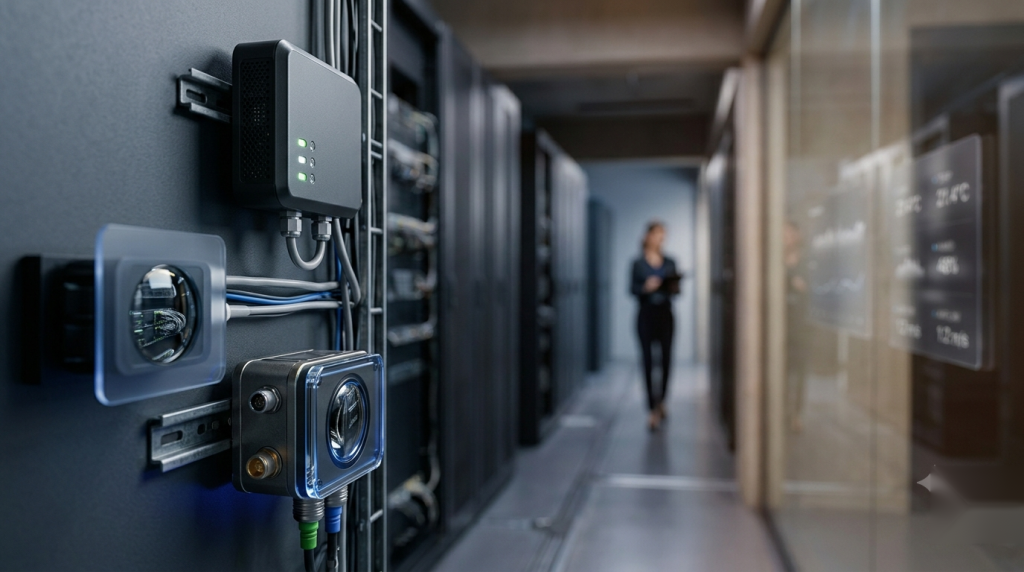
Modern systems are designed to do more than display data. They help organizations identify trends, detect anomalies earlier, and respond before environmental changes begin affecting performance.
Depending on the environment, monitored variables commonly include:
- Temperature
- Humidity
- Air quality
- Infrastructure conditions
- Environmental changes surrounding critical assets
This creates a more complete understanding of operational conditions over time.
Why Businesses Are Investing in Environmental Monitoring
Operational environments are becoming more connected, more distributed, and more demanding. As a result, organizations are looking for better ways to improve reliability while reducing manual oversight.
Environmental monitoring supports these goals in several ways. Continuous visibility allows teams to identify changes earlier instead of reacting after disruption occurs.
Real-time information improves operational awareness and supports faster decision-making. Automated monitoring also creates consistency across locations and reduces dependence on manual processes.
Over time, this approach helps organizations improve reliability while maintaining greater control over operational conditions.
Where Environmental Monitoring Creates the Most Value
Environmental monitoring is used across a wide range of environments because stable operating conditions directly influence outcomes.
Data-intensive environments rely on monitoring to maintain continuity and reduce avoidable interruptions. Industrial and production facilities use monitoring to support consistency and maintain operational standards. Warehousing and logistics operations benefit from improved environmental visibility across locations.
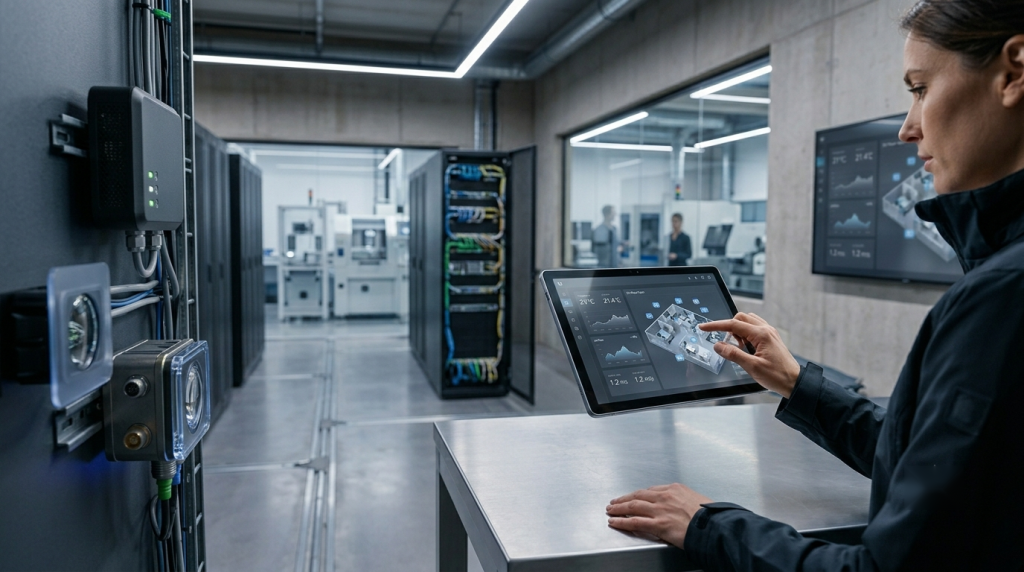
Commercial environments increasingly use monitoring to support more efficient building operations and long-term infrastructure performance. Although operational goals vary, the objective remains the same: create earlier visibility and reduce uncertainty.
Choosing the Right Monitoring Approach
Selecting an environmental monitoring solution should begin with operational requirements rather than technical specifications.
Organizations should evaluate whether a solution can scale with future needs, integrate with existing systems, provide meaningful reporting, and support timely response. The most effective monitoring platforms are not necessarily the ones that collect the most data, they are the ones that turn information into decisions.
Conclusion
Environmental monitoring has moved beyond simple measurement. It now plays an increasingly important role in helping organizations improve visibility, reduce operational risk, and operate with greater confidence.
As operational environments continue to evolve, the ability to understand conditions in real time becomes less of an advantage and more of an expectation. Businesses that build monitoring into their operating model position themselves to make faster decisions, improve reliability, and create stronger long-term performance.